

As a supplier of Refugee Tent Houses, I've witnessed firsthand the critical role these shelters play in providing a safe haven for displaced individuals. However, beyond the initial setup, there's a significant aspect that often goes unnoticed: the long - term cost of maintaining these tent houses. In this blog, I'll delve into the various factors that contribute to the cost of maintaining a refugee tent house over time.
Initial Investment and Quality Considerations
When we talk about the cost of maintaining a refugee tent house, we must first touch on the initial investment. The price of a Refugee Tent House can vary widely depending on its size, material, and design. High - quality tents made from durable materials such as reinforced canvas or heavy - duty polyester may have a higher upfront cost. But they often pay off in the long run as they are more resistant to wear and tear, extreme weather conditions, and pests.
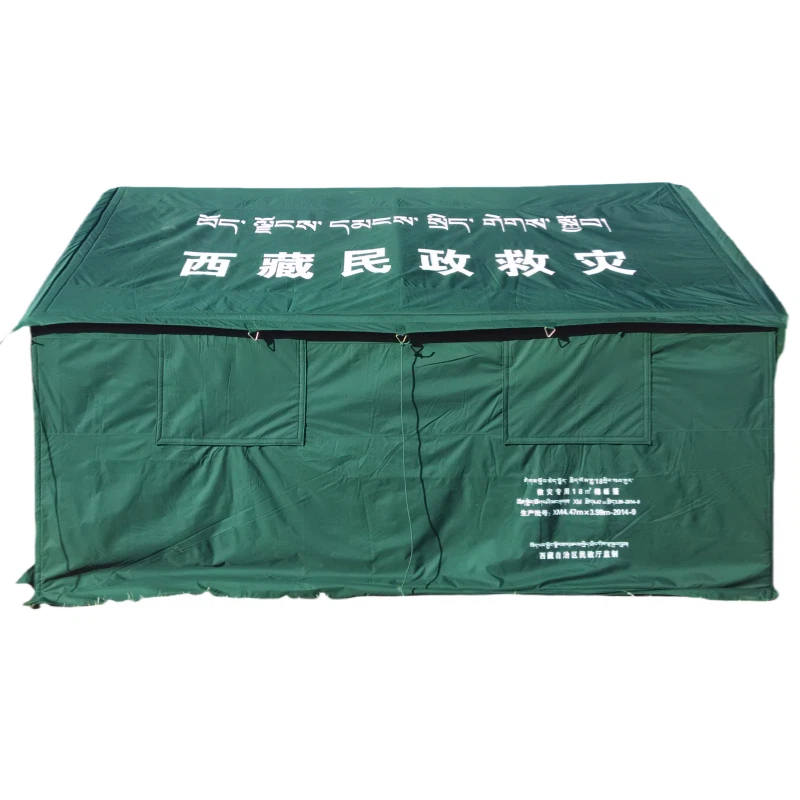
For instance, a Canvas Relief Tent is known for its breathability and durability. It can withstand harsh sunlight and heavy rain better than some cheaper alternatives. However, the initial cost of a canvas tent might be 20 - 30% higher than a tent made from basic polyester. But the lower maintenance requirements over time can offset this initial difference.
Maintenance Costs Due to Environmental Factors
One of the most significant contributors to the long - term cost of maintaining a refugee tent house is the impact of the environment. Different regions present different challenges.
Weather Conditions
In areas with heavy rainfall, tents need to be checked regularly for leaks. A small leak can quickly turn into a major problem, causing water damage to the tent structure and the belongings inside. Fixing leaks might involve patching the tent fabric, which can cost anywhere from a few dollars for a simple DIY patch kit to more if professional repair services are required.
In extremely hot and sunny regions, the UV rays can degrade the tent fabric over time. Tents made from materials that are not UV - resistant may start to weaken and become brittle within a year. To protect against this, UV - resistant coatings can be applied. These coatings typically cost between $50 - $100 per tent, depending on the size, and need to be reapplied every 6 - 12 months.
In windy areas, the tent's stability is a constant concern. Tents need to be properly staked down, and the guy ropes should be tightened regularly. If a tent is damaged by strong winds, repairs can range from replacing a broken pole (which might cost $20 - $50) to completely replacing the tent in severe cases.
Pests and Rodents
Pests and rodents can also cause significant damage to refugee tent houses. Termites, for example, can chew through the tent fabric and wooden support structures. To prevent pest infestations, regular inspections and the use of pest control measures are necessary. The cost of pest control can vary depending on the severity of the problem. A basic pest control treatment for a single tent might cost around $15 - $30, but if the infestation is widespread, the cost can increase significantly.
Operational and Usage - Related Maintenance Costs
The way the tents are used by the refugees also affects the maintenance cost.
Cleaning and Sanitation
Maintaining a clean and sanitary environment inside the tent is crucial for the health of the occupants. Regular cleaning of the tent floor, walls, and bedding is necessary. Cleaning supplies such as disinfectants, detergents, and brooms need to be provided regularly. The cost of these cleaning supplies for a single tent can amount to about $10 - $15 per month.
Wear and Tear from Daily Use
Refugees use the tent houses for various activities such as sleeping, cooking, and storing their belongings. This daily use can cause wear and tear on the tent fabric and components. For example, the zippers on the tent doors and windows can break, and the fabric around the entrance can get frayed. Replacing a zipper can cost around $10 - $15, and patching frayed fabric can cost a few dollars.
Staffing and Labor Costs
Maintaining a large number of refugee tent houses requires a dedicated team. Staff are needed for regular inspections, repairs, and general upkeep.
Inspection and Monitoring
Inspectors need to visit the tents regularly to check for any signs of damage or potential problems. The cost of employing an inspector can vary depending on the region and the number of tents to be inspected. On average, an inspector might cost around $1,500 - $2,000 per month, and they can typically inspect around 50 - 100 tents per day.
Repair and Maintenance Workers
When repairs are needed, skilled workers are required. The cost of a repair worker can range from $15 - $25 per hour. A simple repair job might take an hour or two, while more complex repairs could take several days.

Cost - Saving Strategies
Despite the various costs associated with maintaining refugee tent houses, there are some strategies that can help reduce these expenses.
Training Programs
Providing training to the refugees on basic tent maintenance can be a cost - effective solution. By teaching them how to perform simple tasks such as patching small holes, tightening guy ropes, and cleaning the tent properly, the need for professional repair services can be reduced.
Bulk Purchasing
When it comes to purchasing maintenance supplies such as cleaning products, patch kits, and pest control measures, buying in bulk can significantly reduce the cost per unit. For example, buying a case of 100 patch kits might cost 30% less per kit compared to buying them individually.
Conclusion
The cost of maintaining a refugee tent house over time is a complex issue influenced by many factors, including the initial investment, environmental conditions, operational usage, and labor costs. While the costs can be substantial, it's important to remember that these tent houses provide a vital service to those in need.
As a Refugee Tent House supplier, I'm committed to providing high - quality products that are both cost - effective and durable. If you're involved in refugee relief efforts and are interested in learning more about our products or discussing the best strategies for maintaining refugee tent houses, I encourage you to reach out. We can work together to find the most suitable solutions for your specific needs.
References
- "Disaster Relief and Refugee Shelter Handbook", United Nations High Commissioner for Refugees (UNHCR).
- "Materials and Design Considerations for Refugee Tents", Journal of Humanitarian Engineering.
- "Environmental Impact on Temporary Shelters", International Journal of Disaster Risk Reduction.