

Hey there, fellow campers and outdoor enthusiasts! As a canvas tent supplier, I've seen my fair share of tents getting battered by the wind. And let me tell you, it's not a pretty sight. But don't worry, I'm here to share some tips on how to secure a canvas tent in windy conditions.
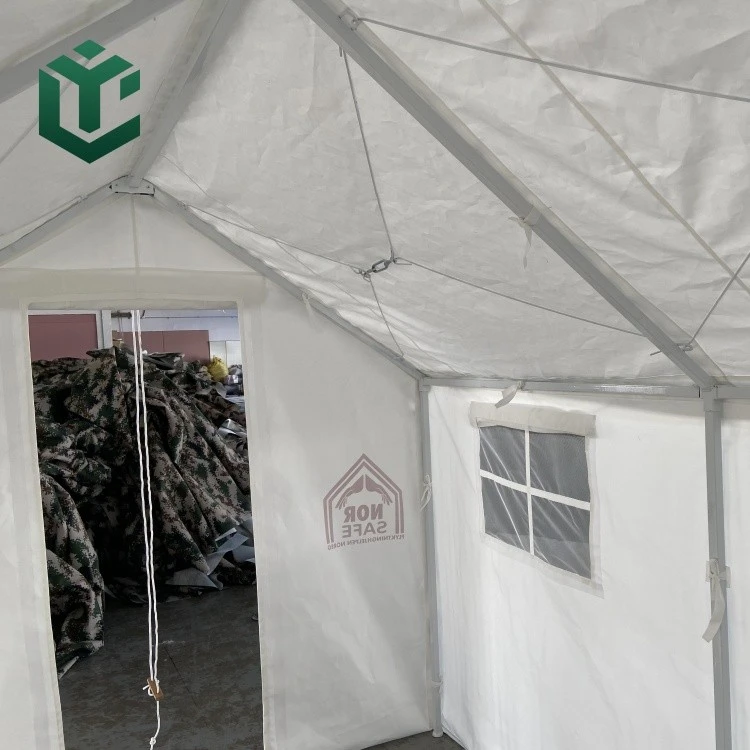
First things first, choosing the right tent is crucial. If you're often camping in windy areas, you'll want to opt for a sturdy and well - designed tent. Our Waterproof Family Tent is a great choice. It's made of high - quality canvas that can withstand strong winds and is designed with a shape that reduces wind resistance.

Before you even set up your tent, take a good look at the campsite. Look for natural windbreaks like large trees, boulders, or hills. Setting up your tent on the leeward side of these natural features can significantly reduce the impact of the wind. Avoid open fields or exposed ridges where the wind can hit your tent head - on.
Once you've found the perfect spot, it's time to start setting up. Make sure you stake down your tent properly. Use long, heavy - duty tent stakes. The standard lightweight stakes might not hold up well in windy conditions. I usually recommend using stakes that are at least 8 inches long. Drive them into the ground at a 45 - degree angle away from the tent. This way, they'll have more holding power.
For added security, you can use guy lines. Guy lines are ropes that attach to the corners and sides of your tent and are then staked down. Our Camping Canvas Pole Tent comes with pre - attached guy lines, which is super convenient. Attach the guy lines to the tent at a point where they can effectively pull the tent taut. Then, stake them down at a distance from the tent. A good rule of thumb is to stake them out at a 45 - degree angle, about 3 to 4 feet away from the tent.
If you're camping on hard ground where it's difficult to drive stakes, you can use sandbags or rocks as an alternative. Fill some heavy - duty bags with sand or find large rocks and attach the guy lines or tent ropes to them. This can provide a solid anchor for your tent.
Another important thing is to keep your tent taut. A loose tent is more likely to flap in the wind, which can cause stress on the fabric and the poles. Adjust the guy lines and tent ropes regularly to make sure the tent remains tight. You can also use tension adjusters on the guy lines to make it easier to fine - tune the tension.
The poles of your tent are also a key factor. Make sure they're properly assembled and in good condition. Our Canvas Family Tent uses high - strength poles that can handle a fair amount of wind pressure. Check the poles for any cracks or bends before setting up the tent. If you notice any damage, replace the poles immediately.
During a windy night, it's a good idea to keep some extra weight inside the tent. You can place your camping gear, like coolers or backpacks, near the corners of the tent. This added weight can help keep the tent grounded and reduce the chances of it being blown away.
If the wind is really strong, you might want to consider using additional support. You can use ropes to tie the tent to nearby trees or boulders. Just make sure you don't damage the trees and that the ropes are securely fastened.
Now, let's talk about maintenance. After a windy camping trip, inspect your tent thoroughly. Check the fabric for any tears or holes, and the poles for any signs of damage. Repair any issues as soon as possible to ensure your tent is ready for the next adventure.
In conclusion, securing a canvas tent in windy conditions requires a combination of proper tent selection, smart campsite choice, and effective setup techniques. By following these tips, you can enjoy a safe and comfortable camping experience even when the wind is howling.
If you're in the market for a new canvas tent or have any questions about tent security, I'd love to hear from you. Whether you're a seasoned camper or just starting out, our team is here to help you find the perfect tent for your needs. Reach out to us to start a conversation about your tent requirements and let's work together to make your next camping trip a breeze (pun intended)!
References
- Outdoor Camping Handbook: A Guide to Safe and Enjoyable Camping
- The Complete Book of Tent Camping