

Hey there! As a supplier of Tent Pole Connectors, I often get asked about the best way to store these little but crucial parts when they're not in use. In this blog, I'll share some practical tips and tricks that I've learned over the years in the industry.
First off, let's talk about why proper storage is so important. Tent Pole Connectors are the pieces that hold the tent poles together, ensuring the stability and structure of the whole tent. Whether it's a Big Tent Steel Frame or a Steel Tent Frame, these connectors play a vital role. If they're not stored correctly, they can get damaged, rusted, or lost, which can be a real headache when you need to set up the tent again.
Clean Before Storage
Before you even think about putting your Tent Pole Connectors away, you need to make sure they're clean. After a camping trip or an event where the tent was used, the connectors can accumulate dirt, dust, and even some moisture. Dirt can scratch the surface of the connectors over time, and moisture can lead to rust, especially if the connectors are made of metal.
To clean them, you can use a mild soap and water solution. Just soak the connectors in the solution for a few minutes, then use a soft brush to gently scrub away any dirt or grime. Rinse them thoroughly with clean water and dry them completely. You can use a clean towel to pat them dry or let them air - dry in a well - ventilated area.
Choose the Right Container
Once your Tent Pole Connectors are clean and dry, it's time to find a good container to store them in. You don't want to just throw them in a random box where they can get jumbled up and damaged.
A plastic storage container with a tight - fitting lid is a great option. It protects the connectors from dust, moisture, and physical damage. You can also use small ziplock bags to group the connectors by size or type. This makes it easier to find the right connector when you need it. Label the bags or the container so you know exactly what's inside.
If you have a lot of connectors, you might want to consider using a tackle box. These boxes usually have multiple compartments, which are perfect for organizing different types of connectors. You can separate the connectors based on their shape, size, or the type of tent they're used for.
Control the Storage Environment
The environment where you store your Tent Pole Connectors matters a lot. You want to keep them in a place that's dry, cool, and away from direct sunlight.
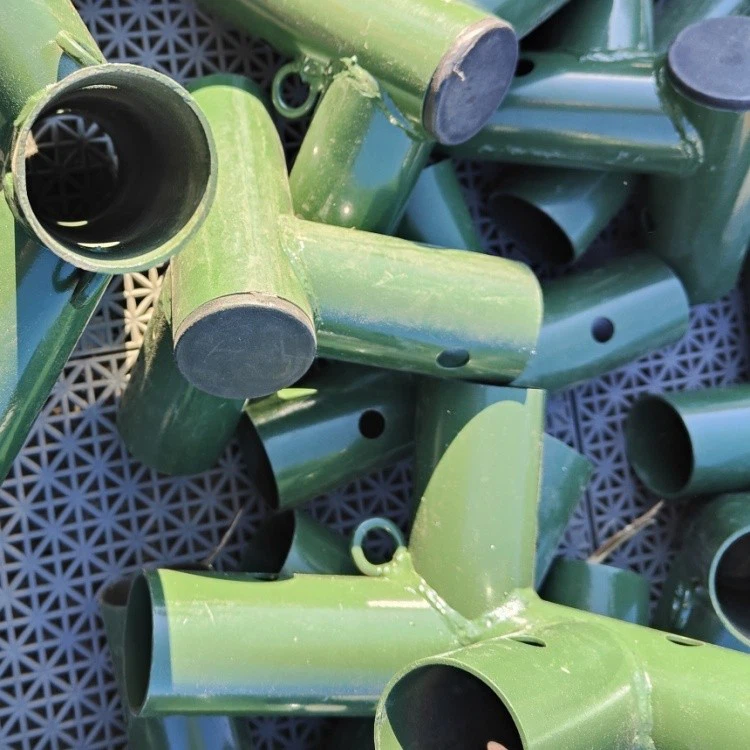

High humidity can cause rust and corrosion, so avoid storing the connectors in a basement or a garage where the humidity levels can be high. A closet in your house is a much better option. You can also use a dehumidifier in the storage area to keep the humidity in check.
Direct sunlight can fade the color of the connectors and also cause the plastic parts (if any) to become brittle over time. So, find a spot that's shaded or use a storage container that blocks out sunlight.
Protect Against Physical Damage
You need to make sure that the Tent Pole Connectors don't get banged around or crushed during storage. If they're stored with other heavy objects, they can get deformed or broken.
When using a storage container, don't over - pack it. Leave some space around the connectors so they're not squeezed together. If you're storing them in a larger box with other camping gear, use padding like bubble wrap or foam to protect the connectors.
Check Regularly
Even if you've stored your Tent Pole Connectors properly, it's a good idea to check on them regularly. Every few months, open up the storage container and take a look at the connectors. Check for any signs of rust, damage, or wear.
If you notice any rust, you can try to remove it using a rust remover. Just follow the instructions on the product carefully. If a connector is damaged beyond repair, it's time to replace it. This way, you can ensure that all your connectors are in good condition when you need to use them.
Consider the Quantity
As a Tent Pole Connector supplier, I know that some customers buy these connectors in large quantities. If you're one of them, you need to scale up your storage methods accordingly.
For large - scale storage, you might want to invest in industrial - grade storage racks. These racks can hold multiple containers or boxes of connectors. You can also use pallet storage if you have a huge number of connectors. Make sure to label each pallet or rack clearly so you can easily locate the connectors you need.
Store with the Tent
It's a good practice to store the Tent Pole Connectors with the tent itself. This way, you won't forget where you put them when it's time to set up the tent. You can keep the connectors in a separate compartment inside the tent bag or attach a small pouch to the tent bag specifically for the connectors.
Be Mindful of Compatibility
When storing Tent Pole Connectors, it's important to keep in mind the compatibility with different tent frames. Some connectors are designed for specific types of Tent Pole Connector systems, such as the Big Tent Steel Frame or the Steel Tent Frame.
Group the connectors based on their compatibility. This will save you a lot of time when you're setting up the tent, as you won't have to search through all the connectors to find the ones that fit your tent.
Conclusion
Proper storage of Tent Pole Connectors is essential for their longevity and functionality. By following these tips, you can ensure that your connectors stay in good condition and are ready to use whenever you need them.
If you're in the market for high - quality Tent Pole Connectors, we've got you covered. We offer a wide range of connectors suitable for different types of tents, including the Big Tent Steel Frame and the Steel Tent Frame. Whether you're a camping enthusiast or a professional event organizer, we have the right connectors for you.
If you're interested in purchasing our Tent Pole Connectors, feel free to reach out to us for more information and to start a procurement discussion. We're always happy to help you find the best solutions for your tent - building needs.
References
- "Camping Gear Storage Guide" - Outdoor Living Magazine
- "Best Practices for Storing Metal Parts" - Industrial Storage Journal