

As a relief tent supplier, I often receive inquiries from clients about the suitability of our tents for various environmental conditions. One question that comes up frequently is whether relief tents can be used in areas with high humidity. In this blog post, I will explore this topic in detail, drawing on our experience and industry knowledge to provide a comprehensive answer.
Understanding High Humidity Environments
High humidity environments are characterized by a large amount of water vapor in the air. This can occur in tropical regions, coastal areas, or during the rainy season. Humidity levels above 60% are generally considered high, and in some cases, it can reach close to 100% in extremely wet conditions.
The challenges posed by high humidity are multifaceted. Firstly, excessive moisture in the air can lead to condensation inside the tent. This can make the interior damp, which is not only uncomfortable for the occupants but also creates a breeding ground for mold and mildew. Mold and mildew can cause health problems, especially for those with respiratory issues or weakened immune systems. Secondly, high humidity can affect the structural integrity of the tent over time. Moisture can weaken the fabric, leading to premature wear and tear, and may also cause metal components to rust.
Features of Relief Tents Suitable for High Humidity
Our company offers a range of relief tents designed to withstand high - humidity conditions. Here are some key features of our tents that make them suitable for such environments:
Moisture - Resistant Materials
We use high - quality, moisture - resistant fabrics in our relief tents. For example, the Canvas Relief Tent is made from treated canvas that has excellent water - repellent properties. The canvas is coated to prevent water from seeping through, while still allowing some degree of breathability. This helps to reduce the risk of condensation inside the tent.
Ventilation Design
Proper ventilation is crucial in high - humidity areas. Our tents are designed with multiple ventilation points, such as vents on the sides and at the top. These vents allow for the exchange of air, reducing the build - up of moisture inside the tent. The Refugee Tent House features a well - thought - out ventilation system that ensures fresh air circulation, even in hot and humid conditions.
Anti - Mold and Mildew Treatments
To prevent the growth of mold and mildew, our tents are treated with anti - fungal agents. These treatments are applied during the manufacturing process and provide long - lasting protection. The Disaster Relief Tent has undergone rigorous testing to ensure that it can resist mold and mildew growth, even in the most humid environments.
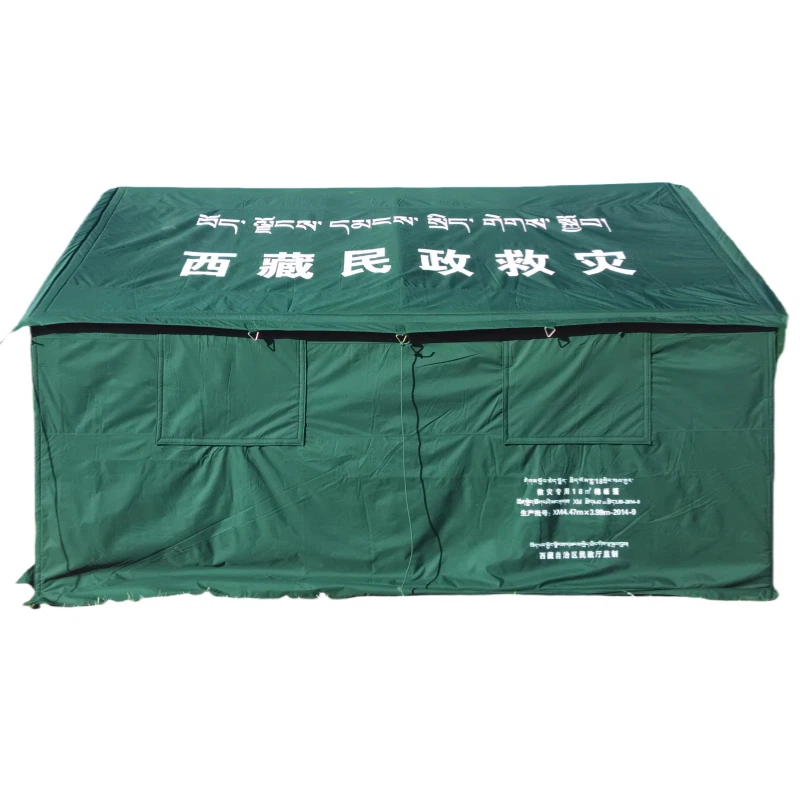

Rust - Resistant Components
In high - humidity areas, metal components are prone to rusting. We use rust - resistant materials for all the metal parts of our tents, such as zippers, poles, and fasteners. This ensures the durability of the tent and extends its lifespan.
Case Studies: Using Relief Tents in High Humidity Areas
Over the years, we have supplied our relief tents to many high - humidity regions around the world. Here are a few case studies that demonstrate the effectiveness of our tents in such conditions:
Southeast Asia
In countries like Indonesia and the Philippines, which experience high humidity throughout the year, our Canvas Relief Tent has been widely used during disaster relief operations. The moisture - resistant fabric and good ventilation design have proven to be effective in keeping the interior dry and comfortable for the affected population.
Coastal Africa
In coastal areas of West Africa, where humidity levels are often high, our Refugee Tent House has provided a reliable shelter solution. The anti - mold treatments have prevented the growth of fungi, and the rust - resistant components have withstood the corrosive effects of the humid and salty air.
Maintenance Tips for Relief Tents in High Humidity
Even with the best - designed tents, proper maintenance is essential to ensure their longevity in high - humidity areas. Here are some maintenance tips:
Regular Inspection
Regularly inspect the tent for signs of damage, such as tears in the fabric or rust on the metal components. Early detection of problems can prevent them from worsening.
Cleaning
Clean the tent regularly to remove dirt, debris, and any potential sources of mold or mildew. Use a mild detergent and water, and make sure the tent is completely dry before storing it.
Proper Storage
When not in use, store the tent in a dry and well - ventilated area. If possible, keep it off the ground to prevent moisture from seeping in.
Conclusion
In conclusion, relief tents can indeed be used in areas with high humidity. Our company's range of tents, including the Canvas Relief Tent, Refugee Tent House, and Disaster Relief Tent, are specifically designed to address the challenges posed by high humidity. With moisture - resistant materials, proper ventilation, anti - mold treatments, and rust - resistant components, our tents provide a safe and comfortable shelter solution for those in need.
If you are in the market for relief tents for high - humidity areas, we would be more than happy to discuss your requirements. Our team of experts can provide you with detailed information about our products and help you choose the most suitable tent for your needs. Contact us today to start the procurement process and make a difference in the lives of those affected by disasters.
References
- American Society of Heating, Refrigerating and Air - Conditioning Engineers (ASHRAE). "ASHRAE Handbook: Fundamentals."
- International Organization for Standardization (ISO). Standards related to tent materials and performance.
- Various field reports from disaster relief organizations on the use of relief tents in high - humidity areas.